


Technology and knowledge transfer
At the Universitat Rovira i Virgili, we are firmly committed to society through technology transfer and innovation, enabling the dissemination of generated knowledge and improving the innovation capacity of companies.
We provide your organization with access to our research groups, consisting of over 900 members and an extensive teaching and research community; URV Chairs, our forums for disseminating research and training activities; as well as the Technology Transfer and Innovation Center and the Scientific and Technical Resources Service to meet your R&D&I needs.
Sharing technology and innovation
-
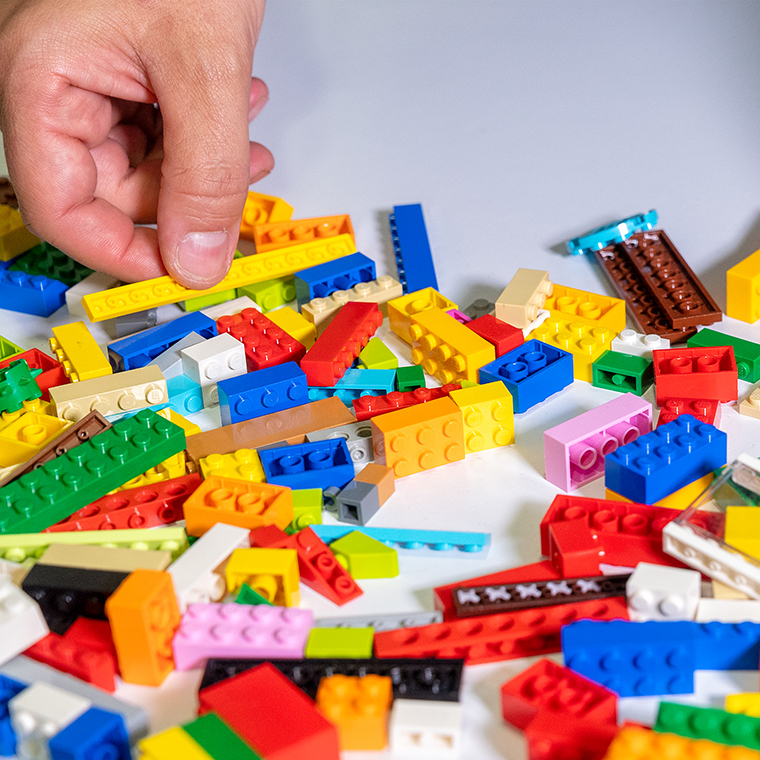
R&D&I services, research contracts, and consultancy
You can benefit from R&D&I services through the following types of collaboration: Contract-based or collaborative research projects and consultancy, advisory, and technical assistance services.
-
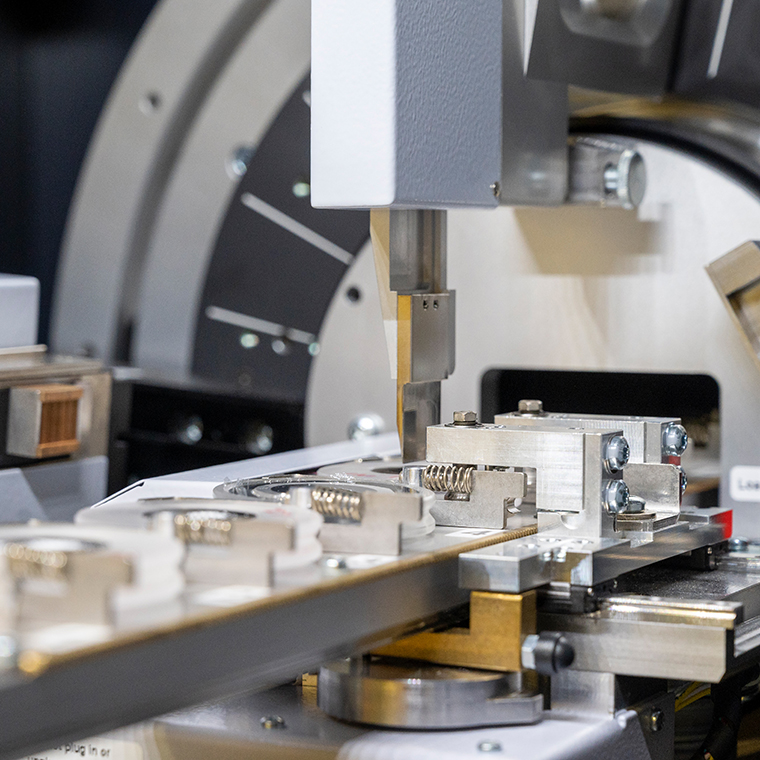
Technological and R&D&I capacities
A key element of technical support for research, development, and transfer across all scientific and technological fields represented at URV.
-

URV Chairs
The URV Chairs promote various forums for disseminating specialized research and training activities in collaboration with public and private entities. They aim to foster knowledge and innovation transfer.
-
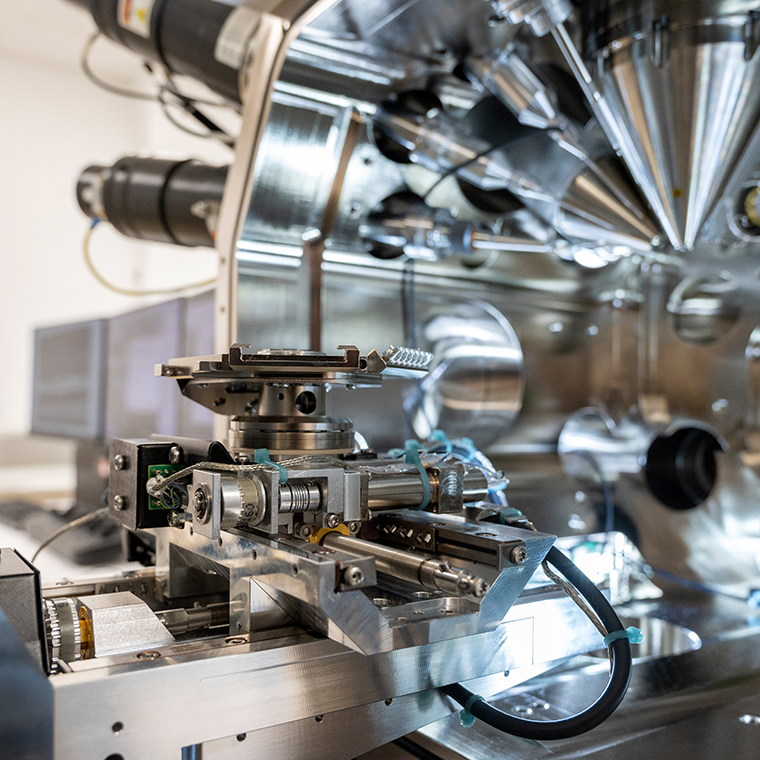
Scientific and technical support for research
We offer high-tech laboratories and specialized technicians in different fields, providing analysis or testing services, specific studies in collaboration with our experts, autonomous use of infrastructures, and teamwork with our equipment.
-

Research and management structures
Research groups, departments, university research institutes, and other joint centers or structures between URV and public or private organizations are responsible for research activities, knowledge transfer, and dissemination.
What is technology, knowledge, and innovation transfer?
Technology and innovation transfer, within the university framework, is the process by which research results, intellectual and industrial property, technology, and knowledge flow from the university to companies or entities.
This is facilitated through structures such as the Technology Transfer and Innovation Center and the Scientific and Technical Resources Service, as well as the URV Chairs, which promote research and specialized training forums in collaboration with public and private entities.
Why is innovation important?
Innovation, a word derived from the Latin innovare, meaning "to renew, to improve," is key to achieving excellence and business leadership.
It is not surprising that organizations such as the OECD consider innovation a critical strategy for global economic growth and sustainability. Innovation drives social progress by providing new opportunities to improve our daily lives and ensuring sustained economic growth in the long term.
Innovation is not only essential to remain competitive but also the key to addressing and overcoming the challenges posed by this new context, marked by volatility, uncertainty, complexity, and ambiguity (VUCA environments).
What does R&D&I mean?
R&D&I stands for research, development, and innovation, referring to a set of intellectual and material activities aimed at creating knowledge, utilizing this knowledge to design new applications, and implementing new products or services in the market or production systems.
What is an R&D&I project?
R&D&I projects are one of the essential aspects of a company's development and growth and for positioning itself at the forefront of business competitiveness.
Aware of this reality and need, URV offers a series of strategic structures and R&D&I services for companies to facilitate R&D&I projects.
To this end, we provide companies with the following services:
- Research projects by contract or collaboration
- Advisory, consultancy, and technical assistance services
- Support services for research
What are intellectual and industrial property?
Intellectual property refers to the inherent rights over creative works, which may be literary, artistic, or scientific, and includes both copyright and industrial property.
Industrial property encompasses a set of rights that a natural or legal person may hold over inventions (such as patents), industrial designs, distinctive signs (trademarks or trade names), and other elements.
