


Research
-

Pediatric Pain
Our group dedicates most of its time and resources to the study of pediatric pain, that is, the pain problems experienced by children and adolescents. Pediatric pain is a largely unrecognised problem, which is probably why it has been ignored in the country's research plans.All available reports indicate that pediatric pain is very poorly attended, and even undertreated.
-
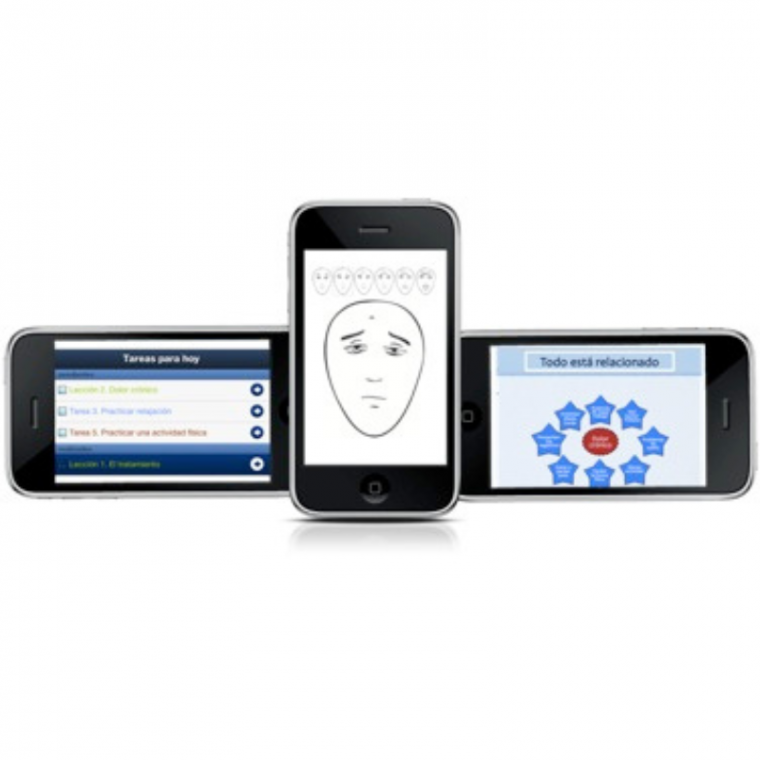
e-Dolor
Despite the wide availability of treatments that have proven effective, most young people with chronic pain problems do not receive these treatments, primarily due to the lack of clinics trained in adequately managing these problems as well as to the limited resources of the public health system. Exploring alternatives to ensure that these already empirically proven treatments are effectively applied to the users that need them is therefore of fundamental importance. The development of ICT opens up possibilities that were not that long ago unthinkable in treating health problems in general, and chronic pain in particular. The researchers at ALGOS are working towards developing technologies that facilitate or strengthen the current treatments available for pain sufferers.
-
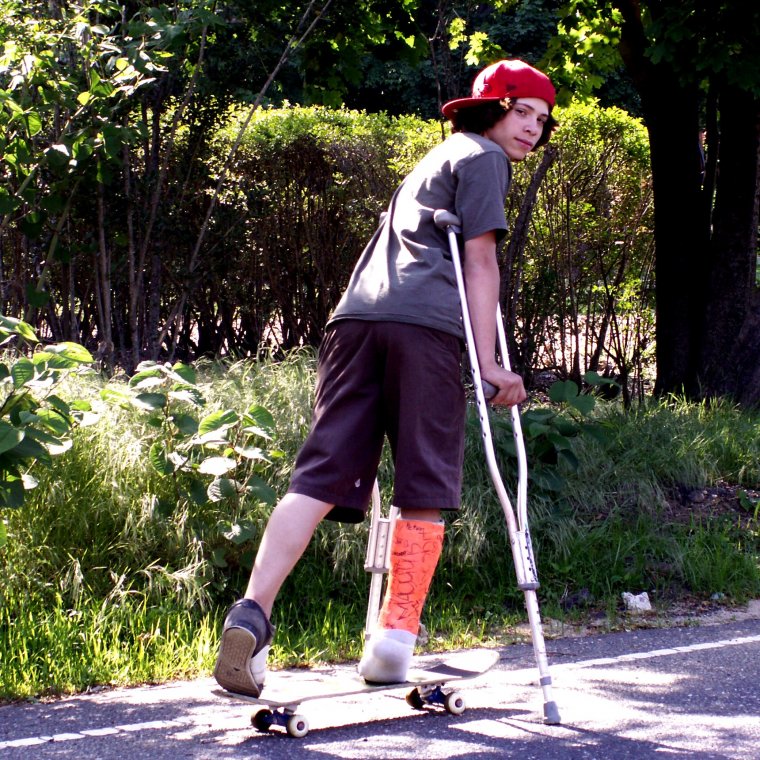
Factors associats al dolor crònic i la discapacitat
Pain is a complex experience, resulting from the interaction of multiple factors. Knowing these factors, their weight, and influence, both in acute and chronic pain, is essential for designing more efficient (both preventive and palliative) treatment protocols. ALGOS is particularly interested in the role played by psychosocial factors, and more specifically in cognitive processes. Photo courtesy of Jakie.
-
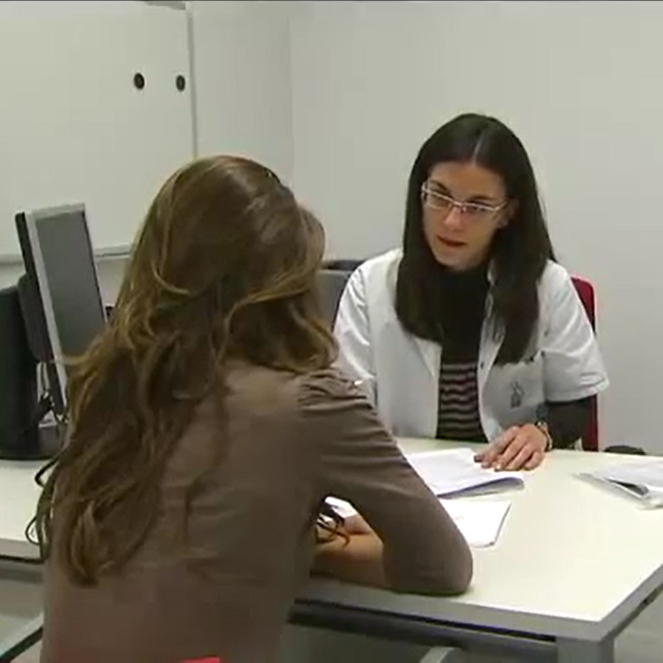
Treatments for people with chronic pain
We support movements that promote the use of scientifically validated treatments, known everywhere as evidence-based medicine and psychological treatments with empirical support; It motivates us to help identify and contrast techniques and strategies that help people to enjoy a better quality of life. In this sense, we have also integrated the new information and communication technologies into traditional treatment programs, as a way to make these treatments reach more people, and become more economical. We would like this knowledge to be available to the greatest number of people (patients and professionals) and that everyone could use it at the lowest possible cost.
-

Evaluation of people with pain
In our country, we must make an effort to have reliable and reliable instruments of measurement. An economical and very useful way is to translate and validate already available instruments that have previously shown their validity. That is why we are dedicated to the validation of pain measurement instruments and other related aspects. At the same time, we are also working on the development of new evaluation tools.
Projects
There are currently several projects that are carried out from the Chair, related to the evaluation and treatment of childhood pain. These projects have the economic support of different agents, both public and private: Grünenthal Foundation, La Caixa Social Project, Ministry of Economy and Competitiveness, and Rovira i Virgili University. However, it has the help and support of individuals interested in helping to achieve the objectives of the Chair, which contribute with their donations.
The projects currently underway are:
- Fibroline: a project that develops a cognitive-behavioral intervention program (TCC) for fibromyalgia in adolescents and young adults, self-administered through intelligent cellular technology. The main objective is to check if this treatment is effective in improving the quality of life of these people.
- Prevendol (Post-surgical pain in children and adolescents): Post-surgical chronic pain is a health problem with a major social impact: approximately 20% of all children and adolescents undergoing surgery will develop chronic pain. It is important to stress that the risk and protection factors known (e.g. anxiety, catastrophism, beliefs about pain and pain coping) are modifiable, so there is great potential for the development of preventive and protection programs to prevent the transition from acute to chronic pain or to reduce the impact on the life of patients when it has already developed. However, there are still no preventive programmes to address the needs of children and adolescents. Therefore, the main objective of this project is to develop and test a program to prevent the development of post-surgical chronic pain in children and adolescents undergoing surgery in order to improve their quality of life (and that of their families). This proposal will be implemented in three phases: (1) Development of the post-surgical chronic pain prevention program and its implementation in a mobile application; (2) Testing of the usability of the mobile application; and (3) Clinical testing to test the effectiveness of the preventive program.
- Paintoo: Children with severe intellectual disabilities can feel pain. However, they may be not able to verbally communicate, and therefore their assessment and measurement turns even more difficult. The main purpose of this project is to help increase the quality of life in children with severe intellectual disabilities, by helping to improve the assessment of pain. Three actions are established in order to address this aim: (1) To design and develop a mobile application that will include an education section to help users (caregivers and healthcare professionals) to learn how to assess pain in children with severe intellectual disabilities, and a reliable and valid measure to facilitate the assessment and measurement of pain in this population; (2) To test the usability of this app; (3) To examine the efficacy of this app to increase the skills of caregivers and healthcare professionals to assess pain intensity in these children.
- Painometer: It is an android smartphone application that serves to evaluate and record pain intensity over time. It includes four of the scales for evaluating the intensity of the pain most commonly used, i.e.: Revised Scent Care Scale (FPS-R), Numeric Scale (EN), Analog Visual Scale (EVA) and Color Analogical Scale (CAS). In addition, it allows to indicate in which part of the body pain is located. Painometer allows you to save the different records that are made both on the same mobile and in the data cloud and also allows you to view the history of the records in the form of a graph. It is available in different languages: Catalan, Spanish, French, English and Portuguese. PainMapp is the project that is developing the Painometer version for iOS mobiles.
- Neurofeedback for the treatment of chronic pain: Neurofeedback is one of the neuromodulatory treatments that has shown good results in the treatment of chronic pain in adults, but it is unknown how and how it could work in young people. This project aims to evaluate and compare the effects of different neurofeedback protocols in the intensity of pain, and other related variables, in the juvenile population with chronic pain.
- Educ@dol: The main objective of this project is to develop and contrast the effectiveness of a remote help program, administered through intelligent mobile devices, to improve the management of chronic childhood pain in the educational context.
- Cognitive-behavioral treatment of chronic pain in children and adolescents: Psycho-social treatment is offered for young people with chronic pain that was developed thanks to a grant granted by the Fundación de La Marató de TV3 in the call for 2006, and which has been maintained thanks to the support of the " a research project funded by the La Caixa Foundation and the contributions of people interested in helping to improve the attention received by young people with chronic pain and their families. The treatment is based on cognitive-behavioral techniques, and aims to help reduce pain and other related problems, such as emotional distress or the interference of pain in everyday activities.
- Red Española de Dolor Infantil (REDIN): REDIN (Ref.PSI2016-82004-REDT) is a research network on childhood pain that groups research groups and experts from different areas and specialties regarding childhood pain. The objectives of REDIN are aimed at facilitating more far-reaching studies than solo groups could achieve. In addition to a greater dissemination of the results of these searches. REDIN aims to contribute to a better understanding of the problems that persist in Spain in relation to the treatment of childhood pain, as well as placing the study of childhood pain within the priority lines of the research agencies, facilitating their internationalization.
Publications
2025:
- Sánchez-Rodríguez E, Roman-Juan J, Castarlenas E, Solé E, Jensen MP, Miró J. (2025) The Silhouettes Fatigue Scale: further validation in Spanish-speaking university students and adults with chronic pain. Disability and Rehabilitation, 47(1), 207-212.
- Castarlenas, E., Galán, S., Solé, E., Roy, R., Sánchez-Rodríguez, E., Jensen, M.P., Miró, J. (2025). Perceived stress, perceived social support, and global health in individuals with chronic pain. International Journal of Behavioral Medicine, 32, 92-101.
- Roman-Juan, J., Ceniza-Bordallo, G., Sánchez-Rodríguez, E., Jensen, M.P. and Miró, J. (2025). Fatigue, sleep disturbance, and pain interference in children and adolescents with chronic pain: a longitudinal study. Pain, 166, 927-935.
- Folli, A., Falla, D., Miró, J., Ickmans, K., and Barbero, M. (2025). Risk factors associated with the development and persistence of pain in adolescents: a Delphi study. Pain Reports, 10, e1260.
